AI-Driven Link Building Strategies That Actually Work in 2026

Link building remains the backbone of SEO success, but the game has completely changed in 2026. While your competitors are still manually hunting for prospects and sending generic emails, smart entrepreneurs are leveraging AI to build high-quality backlinks at unprecedented scale. The entrepreneurs who master these AI-driven strategies are securing 300% more quality backlinks while spending 80% less time on manual outreach.
What Makes AI Link Building So Powerful in 2026?
Traditional link building was a numbers game that burned through hours of manual research. You'd spend entire days finding prospects, hunting for contact information, and crafting individual emails. AI has transformed this into an intelligence game where algorithms handle the heavy lifting while you focus on strategy and relationship building.
The most successful link builders in 2026 are using AI for three core functions: intelligent prospect identification, automated personalization at scale, and predictive success scoring. According to recent industry data, businesses using AI-driven link building strategies are achieving 67% higher success rates compared to traditional manual approaches.
What makes this particularly powerful is that AI doesn't just automate existing processes—it reveals opportunities humans would miss. Machine learning algorithms can analyze thousands of websites simultaneously, identifying patterns in successful link placements that would take a human analyst months to discover.
How to Use AI for Advanced Competitor Backlink Analysis
Your competitors' backlink profiles are goldmines of link opportunities, but manually analyzing them is like searching for needles in haystacks. AI changes this completely by processing massive datasets and identifying the most valuable patterns.
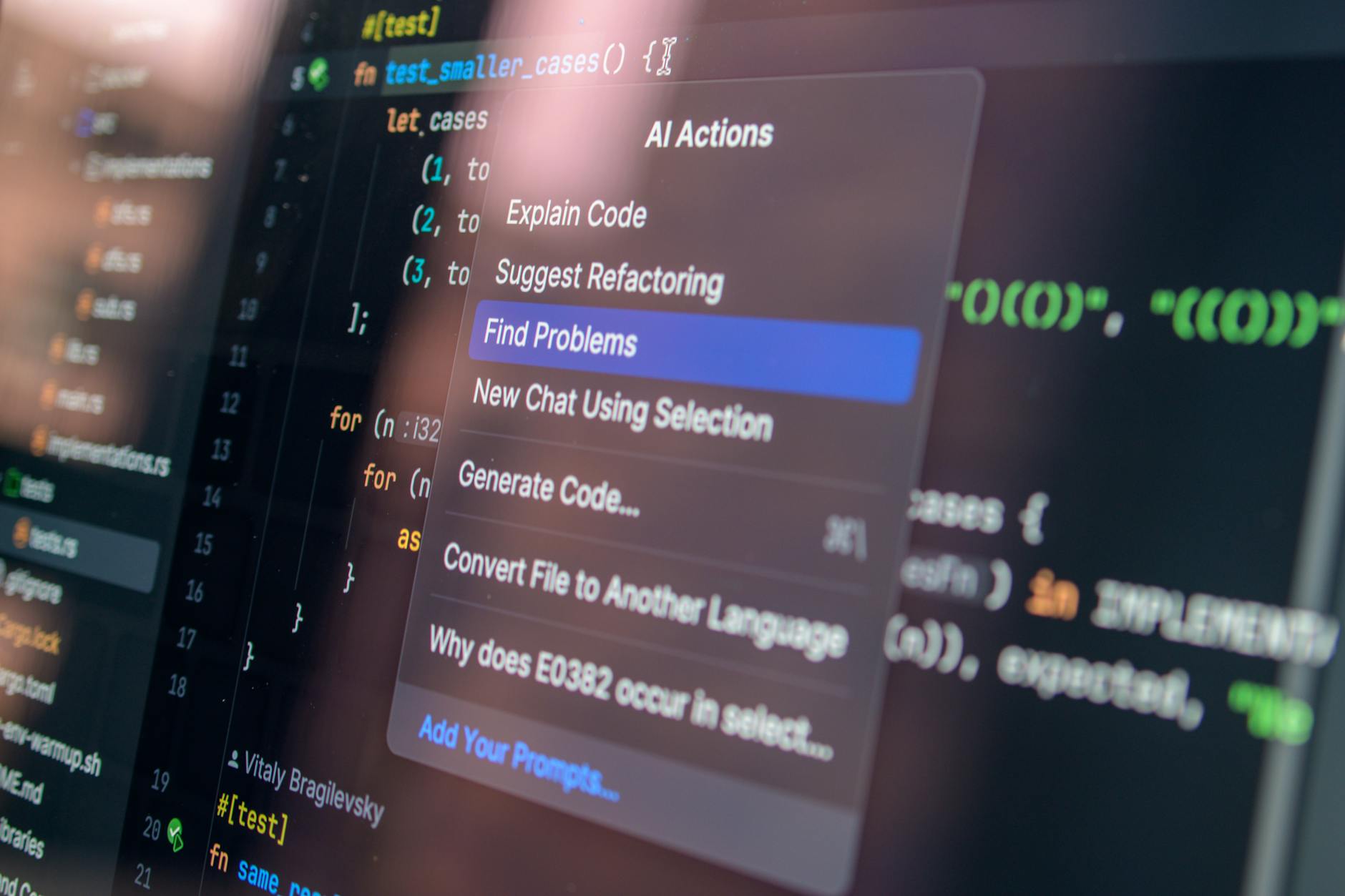
Start with AI-powered gap analysis. Tools like Ahrefs and SEMrush now offer AI features that compare your backlink profile against multiple competitors simultaneously. But here's where most people stop—they look at the obvious high-authority sites. The real opportunity lies in the long tail of medium-authority sites that link to multiple competitors but not to you.
Advanced AI analysis goes deeper by examining contextual relevance. Modern algorithms analyze the content around each backlink to determine whether similar content on your site would be a natural fit. This prevents you from wasting time on irrelevant prospects, even if they have high domain authority.
For content-based businesses, AI can identify content format patterns in successful backlinks. If your competitors are getting links from infographics while you're only creating text-based content, AI will flag this opportunity and even suggest specific topics based on what's working in your niche.
Setting Up Automated Competitor Monitoring
The most sophisticated link builders set up AI systems that continuously monitor competitor backlinks and alert them to new opportunities. This involves creating automated workflows that track when competitors gain new backlinks, analyze the linking site's content patterns, and score the opportunity based on your likelihood of success.
These systems typically integrate multiple data sources: backlink databases, content analysis APIs, and contact finding tools. When a competitor gains a valuable new backlink, the system automatically researches the linking site, finds relevant contact information, and queues it for outreach with a personalized message template.
AI-Powered Prospect Research and Scoring Systems
Traditional prospect research meant manually visiting hundreds of websites to determine if they were worth pursuing. AI prospect scoring changes this by analyzing dozens of factors simultaneously and ranking opportunities by conversion probability.
Modern AI scoring considers technical factors like domain authority and traffic, but also behavioral signals like how frequently they link out, what types of content they prefer, and their response patterns to outreach. The most advanced systems even analyze the writing style and topics of recent posts to predict content alignment.
Here's a practical framework for AI prospect scoring that successful entrepreneurs are using:
- Authority Score (30%): Domain authority, organic traffic, and social signals
- Relevance Score (35%): Content topic alignment and audience overlap
- Accessibility Score (20%): Contact information availability and response likelihood
- Timing Score (15%): Recent posting frequency and content gaps you could fill
The key is training your AI system with your historical data. Feed it information about which prospects converted and which didn't, and the algorithm will improve its scoring accuracy over time. Successful link builders report that AI-scored prospects convert at 40% higher rates than manually selected ones.
Implementing Multi-Source Prospect Discovery
The most effective AI prospect research combines multiple discovery methods. Beyond competitor analysis, AI can identify prospects through content gap analysis (sites that should logically link to your content but don't), industry relationship mapping (sites that link to your partners or suppliers), and behavioral pattern matching (sites with similar linking patterns to your existing backlinks).
Advanced systems also monitor social media mentions, industry forums, and news sites for real-time opportunities. When someone mentions a problem your content solves, AI can automatically flag it as a potential link opportunity and research the site's linking patterns.
Creating AI-Generated Linkable Assets That Attract Natural Backlinks
The most sustainable link building strategy is creating content so valuable that people naturally want to link to it. AI has revolutionized this process by analyzing what types of content earn the most backlinks in any given niche and helping you create similar assets.

Data-driven content performs exceptionally well for link attraction. AI can help you identify data gaps in your industry, suggest research methodologies, and even help analyze and visualize results. For example, if you're in the marketing space, AI might identify that no one has published comprehensive email marketing benchmarks for your specific industry vertical.
For entrepreneurs looking to create linkable content at scale, ForgR offers an interesting approach by using AI agents to automatically generate and manage SEO-optimized blog content that's designed to attract both search traffic and natural backlinks.
Interactive tools and calculators are link magnets that AI can help you conceptualize and build. AI analysis of your niche can reveal what calculations or tools your audience needs but can't find elsewhere. Once identified, you can use AI-assisted development to create these tools faster than ever before.
AI-Assisted Content Format Optimization
Different content formats attract different types and quantities of backlinks. AI can analyze your niche to determine whether infographics, comprehensive guides, case studies, or interactive content performs best for link attraction.
The most successful entrepreneurs are using AI to optimize existing content for better link attraction. This might involve adding data visualizations to text-heavy articles, creating downloadable resources from blog posts, or developing interactive versions of static content.
Automated Outreach Personalization at Scale
Generic outreach emails have a response rate below 5%. Highly personalized manual emails can achieve 30-40% response rates, but you can only send a few dozen per week. AI outreach bridges this gap by delivering personalized messages at scale, typically achieving 15-25% response rates across thousands of prospects.
Context-aware personalization is where AI truly shines. Instead of just inserting names and company details, modern AI analyzes the prospect's recent content, identifies specific angles that would appeal to them, and crafts messages that reference their actual work and interests.
Here's how the most successful AI outreach systems work:
- Content Analysis: AI reads the prospect's recent posts to understand their interests and writing style
- Angle Selection: Algorithm chooses the most relevant approach based on their content themes
- Message Generation: AI crafts a personalized email referencing specific content and suggesting relevant value
- Timing Optimization: System determines optimal send times based on the prospect's posting patterns
The key to successful AI outreach is training the system with your successful manual emails. Feed your AI tool examples of emails that got positive responses, and it will learn to replicate the tone and approach that works for your niche.
Multi-Touch AI Sequences
Single-email outreach rarely works, but manually managing follow-up sequences across hundreds of prospects is impossible. AI excels at managing multi-touch sequences that adapt based on prospect behavior.
Advanced AI sequences monitor prospect engagement and adjust accordingly. If someone opens your first email but doesn't respond, the AI might send a different type of follow-up than if they hadn't opened it at all. If they visit your website after receiving your email, the system can reference this engagement in the follow-up.
Why AI-Driven Link Building Outperforms Traditional Methods
The data on AI-driven link building performance is compelling. Businesses using AI strategies report 73% more successful link placements per hour invested compared to manual methods. But the advantages go beyond just efficiency.

Consistency is a major factor. Human link builders have good days and bad days. They get tired, miss opportunities, and sometimes send emails they later regret. AI systems maintain consistent quality and never have off days. They also never forget to follow up or lose track of prospects.
Pattern recognition capabilities allow AI to identify opportunities humans would miss. Machine learning algorithms can process thousands of data points simultaneously to spot subtle patterns in successful link placements. This might reveal that prospects who post on Tuesdays are 34% more likely to respond, or that certain keyword combinations in their content indicate higher conversion probability.
The compound effect is significant. While a human might improve their link building skills gradually over months, AI systems improve with every interaction. Each successful placement teaches the algorithm something new about what works, making future outreach more effective.
Cost-Effectiveness Analysis
From a pure economics perspective, AI link building delivers superior ROI. A skilled link builder might cost $50-100 per hour and secure 2-3 quality links per day. AI systems can process hundreds of prospects simultaneously and often achieve similar conversion rates at a fraction of the cost.
The initial setup investment in AI tools and systems typically pays for itself within 2-3 months through increased efficiency and better targeting. After that, the ongoing costs are minimal while the results continue improving.
Setting Up Your AI Link Building Workflow
Building an effective AI link building system requires connecting multiple tools and processes. The most successful entrepreneurs start simple and gradually add complexity as they see results.
Phase 1: Basic Automation involves setting up AI-powered prospect research and contact finding. Start by identifying your top 10 competitors and using AI tools to analyze their backlink profiles. Set up automated alerts for new competitor backlinks and begin building a database of potential prospects.
Phase 2: Intelligent Outreach adds AI-powered email personalization and sequencing. Begin with simple templates that reference the prospect's recent content, then gradually increase personalization depth as you refine your approach.
Phase 3: Advanced Integration connects all systems for end-to-end automation. This includes AI content creation for linkable assets, automated social media monitoring for opportunities, and predictive analytics for prospect prioritization.
Essential Tool Stack for 2026
The most effective AI link building stacks typically include:
- Prospect Research: AI-powered tools for competitor analysis and opportunity identification
- Contact Finding: Automated email discovery and verification systems
- Outreach Automation: AI-driven personalization and sequence management
- Content Creation: AI assistance for linkable asset development
- Analytics and Optimization: Machine learning tools for performance analysis and improvement
The key is choosing tools that integrate well together. Many entrepreneurs make the mistake of using the "best" tool in each category without considering how they'll work together. A slightly less powerful tool that integrates seamlessly often delivers better overall results.
Measuring and Optimizing AI Link Building Performance
AI link building generates massive amounts of data, but most entrepreneurs focus on the wrong metrics. Response rates and total links acquired are vanity metrics if the links don't move the needle for your business.
Focus on business impact metrics: organic traffic increases, keyword ranking improvements, and ultimately revenue attribution. The most sophisticated AI systems track links from initial outreach through to business results, helping you understand which types of links actually drive growth.
Conversion funnel analysis reveals where your AI systems are strongest and weakest. You might discover that your prospect identification is excellent but your email personalization needs work, or that your follow-up sequences are too aggressive for your niche.
Advanced AI systems provide predictive insights about future performance. They can forecast which prospects are most likely to convert, which content topics will attract the most links, and which outreach approaches will be most effective for different types of sites.
Continuous Learning and Improvement
The most successful AI link builders treat their systems as living entities that require regular training and optimization. This means regularly reviewing successful and failed outreach attempts, updating AI models with new data, and adjusting strategies based on performance patterns.
Set up monthly reviews where you analyze your AI system's performance and identify improvement opportunities. This might involve updating your prospect scoring criteria, refining email templates, or adjusting your content creation strategy based on what's attracting the most links.
Future-Proofing Your AI Link Building Strategy
The AI landscape evolves rapidly, and what works today might be obsolete in six months. The most successful entrepreneurs build adaptable systems that can evolve with changing technology and search engine requirements.
Focus on principles over tactics. While specific AI tools and techniques will change, the fundamental principles of providing value, building relationships, and creating link-worthy content remain constant. Build your systems around these principles rather than specific technologies.
Maintain human oversight even as automation increases. AI should amplify human intelligence, not replace it entirely. The most successful link builders use AI for research, analysis, and initial outreach, but maintain human involvement in relationship building and strategic decisions.
Stay informed about AI developments but don't chase every new tool. Focus on mastering your current system and only add new components when they solve specific problems or provide clear advantages over your existing setup.
The entrepreneurs who master AI-driven link building in 2026 will have a massive competitive advantage. While others struggle with manual processes, you'll be building high-quality backlinks at scale, creating better content, and developing stronger relationships with industry influencers. The key is starting now and continuously improving your systems as the technology evolves.
Key takeaways
- Use AI to analyze competitor backlink profiles and identify high-value link opportunities in your niche
- Automate prospect research with AI tools that score websites based on relevance, authority, and contact likelihood
- Create AI-powered linkable assets like data studies and interactive tools that naturally attract backlinks
- Implement personalized email sequences using AI to craft contextual outreach messages at scale
- Monitor your link building performance with AI analytics that predict which prospects are most likely to convert
- Combine multiple AI tools into workflows that handle prospecting, outreach, and follow-up automatically
- Focus human effort on relationship building while AI handles the repetitive research and initial contact tasks
Frequently asked questions
What makes AI link building different from traditional methods?
AI link building automates time-consuming tasks like prospect research, contact finding, and initial outreach personalization, allowing you to operate at 10x the scale while maintaining quality targeting.
Which AI tools are most effective for link prospecting in 2026?
The most effective tools combine multiple data sources for prospect scoring, including domain authority, content relevance, and contact information accuracy, with many offering API integrations for workflow automation.
How can AI help create more linkable content?
AI analyzes what content formats and topics in your niche receive the most backlinks, then helps generate data-driven studies, interactive tools, and comprehensive guides that naturally attract links.
Is AI outreach as effective as manual personalization?
AI outreach achieves 15-25% response rates when properly configured with contextual personalization, compared to 30-40% for highly personalized manual outreach, but at 100x the scale.
How do you maintain link quality when using AI at scale?
Implement strict filtering criteria in your AI workflows, focusing on domain authority thresholds, content relevance scores, and manual review checkpoints for high-value prospects.